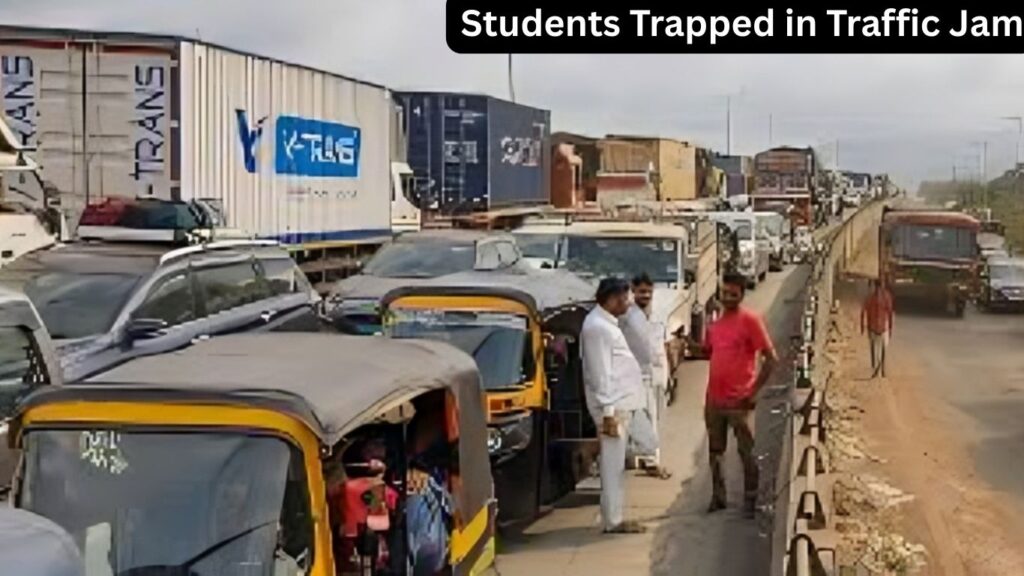

For students across India, commuting to schools, colleges, and coaching centers has become a daily challenge. One of the most frustrating experiences they face is being Students Trapped in Traffic Jam. The combination of rising vehicle numbers, inadequate infrastructure, and urban congestion means that students often spend hours in slow-moving traffic, impacting their academic schedules and overall well-being.
Being Students Trapped in Traffic Jam is not just a matter of inconvenience. It affects students’ mental health, reduces productive time, and can even pose safety risks. Many students report stress and anxiety from long hours spent commuting, while others miss important lectures or exams due to traffic delays. Understanding this issue requires looking at the broader urban transport scenario in India and the specific struggles faced by students.
Causes Behind Students Getting Trapped in Traffic Jams
Several factors contribute to students being Students Trapped in Traffic Jam. Rapid urbanization in cities like Mumbai, Delhi, and Bengaluru has increased the number of vehicles on the roads. Public transport systems, although improving, are often overcrowded or inconsistent, forcing students to rely on private vehicles or school buses.
Peak hours in the morning and evening coincide with school and college timings, intensifying congestion. Narrow roads, construction work, and frequent accidents exacerbate the situation. For many students, a simple commute becomes a battle against time and traffic, making punctuality a daily challenge.
The problem is further compounded by poor traffic management. In some Indian cities, traffic signals, road signs, and pedestrian pathways are not adequately maintained. Students walking or cycling to school may face additional hazards, while those in vehicles often experience unpredictable delays.
Impact on Academic Life
Being Students Trapped in Traffic Jam has a direct effect on students’ academic life. Late arrivals can disrupt learning, reduce class participation, and create a sense of frustration. For students preparing for competitive exams, even minor delays can interfere with study schedules, concentration, and overall performance.
The stress of commuting also impacts physical health. Sitting for extended periods in slow-moving traffic can lead to fatigue, back pain, and headaches. Students may arrive at school or college already exhausted, making it harder to focus during lessons or lectures. Over time, this can affect both academic results and motivation.
Mental and Emotional Consequences
The mental strain of being Students Trapped in Traffic Jam cannot be overlooked. Students often experience anxiety when leaving home, knowing that traffic may delay their arrival. This constant uncertainty creates a sense of helplessness and frustration.
Emotional well-being is further challenged when students miss critical activities, such as group discussions, assignments, or practical classes. The combination of stress, fatigue, and missed opportunities can reduce confidence and increase pressure to perform academically despite challenging circumstances.
Safety Concerns for Students in Traffic
Traffic jams pose significant safety risks for students. Those walking or cycling through congested areas may face accidents caused by impatient drivers or poorly designed roads. Even in vehicles, students are exposed to risks from reckless driving, overcrowded buses, or sudden road incidents.
Emergency situations are particularly concerning. In case of medical emergencies, students trapped in traffic may not reach hospitals or medical facilities in time. Awareness of these safety challenges highlights the urgent need for better traffic management and safer commuting options for students.
Strategies to Reduce Time Trapped in Traffic
Several strategies can help students minimize the time spent Students Trapped in Traffic Jam. Carpooling or sharing rides with classmates can reduce the number of vehicles on the road and make commuting more efficient. Parents and schools are increasingly encouraging organized transport options like school vans and buses.
Flexible school timings are another effective approach. Some institutions in India have started staggered start times to avoid peak traffic hours. This not only eases congestion but also reduces stress for students commuting from distant areas.
Cycling or walking for shorter distances is a practical solution in many cities, provided there is safe infrastructure. Investing in better pedestrian paths, bicycle lanes, and dedicated school zones can ensure that students travel safely and reach on time.
Role of Technology in Managing Student Commutes
Technology plays a crucial role in helping students navigate traffic challenges. Mobile apps that provide real-time traffic updates, route optimization, and estimated travel times allow students and parents to plan better. GPS-enabled school buses and ride-sharing services improve efficiency and track student safety.
Educational institutions are also using digital solutions to minimize the impact of traffic delays. Online classes, hybrid learning models, and recorded lectures ensure that students do not miss important content even when commuting issues occur. By integrating technology into daily routines, students can reduce both stress and wasted time.
Government and Urban Planning Solutions
Addressing the issue of students trapped in traffic jams requires systemic intervention. Urban planners in Indian cities are increasingly focusing on building wider roads, flyovers, and underpasses to improve traffic flow. Dedicated bus lanes and improved public transport networks can also significantly reduce congestion during peak hours.
Policies that promote safe and eco-friendly commuting options, such as cycling, walking, and carpooling, benefit students and the wider community. Schools can collaborate with local authorities to implement traffic management measures around campuses, creating safer zones for students to commute without risk.
Stories from Students
Many students in India share similar experiences of being Students Trapped in Traffic Jam. Students commuting in Bengaluru describe spending over an hour to cover a distance of just a few kilometers. In Delhi, overcrowded buses and chaotic traffic during peak hours add to daily stress.
Despite these challenges, students show resilience and adaptability. Some leave home earlier, plan alternate routes, or use mobile apps to avoid congestion. Sharing these experiences highlights both the severity of the problem and the innovative ways students cope with traffic challenges.
Long-Term Effects on Students’ Lifestyle
Being Students Trapped in Traffic Jam over long periods can shape students’ lifestyle and habits. Regular exposure to congestion may discourage outdoor activities, increase reliance on vehicles, and reduce time available for hobbies or exercise. Over time, this sedentary routine can affect both physical and mental health.
In addition, the constant stress associated with commuting can impact sleep patterns and social interactions. Students may sacrifice personal time or relaxation to manage their academic responsibilities alongside long commutes. Addressing traffic congestion is therefore critical not only for academic success but also for students’ overall well-being.
Encouraging Awareness and Community Solutions
Communities, parents, and schools can work together to reduce the impact of traffic on students. Awareness campaigns about traffic rules, safe commuting, and the benefits of carpooling can empower students to make informed decisions.
Engaging students in local traffic management initiatives, such as volunteering in safe walking programs or participating in school traffic committees, creates a sense of responsibility. When communities collaborate, the frequency and severity of students being Students Trapped in Traffic Jam can be reduced.
Conclusion
The issue of students being Students Trapped in Traffic Jam is a pressing concern in India’s urban landscape. It affects academic performance, mental and physical health, and overall quality of life. While infrastructure improvements, technology integration, and policy interventions play a significant role, individual and community strategies are equally important.
By adopting flexible commuting solutions, leveraging technology, and promoting awareness, students can navigate traffic challenges more effectively. Long-term solutions require collaboration between schools, parents, city planners, and policymakers to create safer, faster, and stress-free commuting options. Ensuring that students reach their educational destinations on time and safely is crucial for nurturing a productive and healthy generation.
FAQs
Why are students often trapped in traffic jams in India?
Students face traffic congestion due to urban overcrowding, insufficient public transport, and peak hour rush coinciding with school timings.
What are the main consequences of traffic jams for students?
Traffic jams can lead to late arrivals, stress, fatigue, reduced academic performance, and safety risks.
How can students reduce time spent trapped in traffic?
Students can use ride-sharing, school buses, cycling, walking, flexible school timings, and traffic apps to minimize delays.
Are there technological solutions to help students during traffic jams?
Yes, GPS-enabled apps, real-time traffic updates, route optimization, and hybrid learning models can help students manage commuting challenges.
How can schools and communities help?
Schools can implement staggered timings, organize safe commuting programs, and engage with local authorities to ensure student safety and smoother traffic flow.