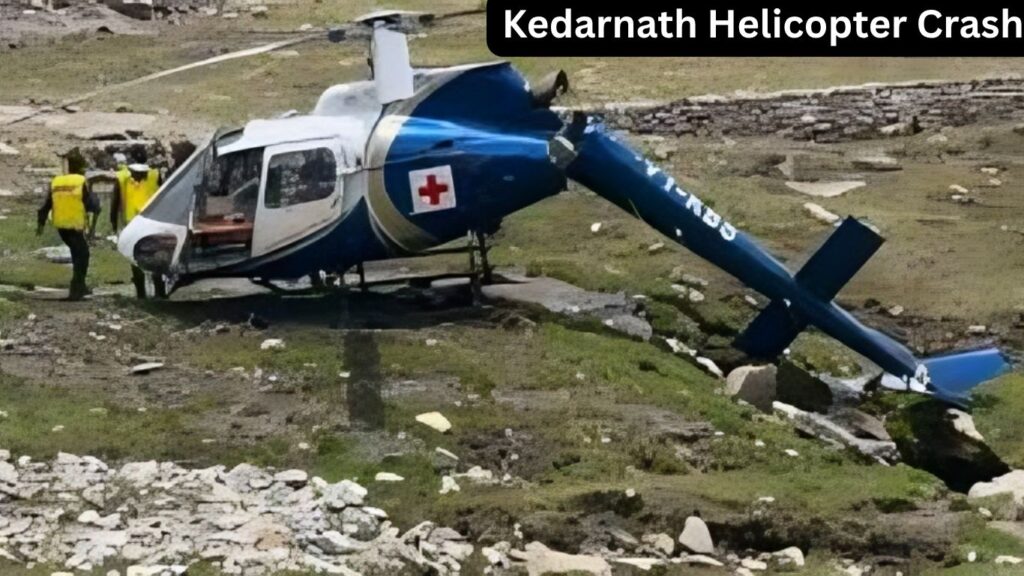

The kedarnath helicopter crash has once again drawn attention to the risks associated with high-altitude aviation in India’s Himalayan region. Kedarnath, a sacred pilgrimage site in Uttarakhand, sees thousands of devotees every year, many of whom rely on helicopter services for faster and more convenient access. While these services offer ease, the terrain, weather, and operational challenges create a complex aviation environment.
The recent kedarnath helicopter crash highlights how even experienced operators face unexpected dangers. In a region where weather conditions can change rapidly and visibility can drop within minutes, aviation safety becomes a critical concern. This incident has sparked widespread discussion about helicopter safety, pilot training, and regulatory oversight.
The Geography of Kedarnath and Aviation Risks
Kedarnath is located in the Garhwal Himalayas at an altitude of over 11,000 feet. The mountainous terrain, narrow valleys, and unpredictable wind patterns make flying inherently risky. Helicopters must navigate tight routes, often with limited margin for error.
In such an environment, the kedarnath helicopter crash serves as a reminder of how geography directly impacts aviation safety. Pilots must rely on both instruments and visual cues, but fog, snowfall, or sudden storms can obscure visibility. This combination of altitude and terrain creates one of the most challenging flying conditions in India.
Weather Conditions and Their Role
Weather plays a decisive role in every kedarnath helicopter crash incident. Sudden cloud formation, heavy winds, and low visibility can disrupt even well-planned flights. During the pilgrimage season, flights operate frequently, sometimes pushing operational limits.
Pilots often have to make quick decisions based on rapidly changing weather. In many cases, a kedarnath helicopter crash is linked to poor visibility or unexpected turbulence. These factors reduce reaction time and increase the likelihood of accidents.
Despite advanced forecasting tools, the Himalayan weather system remains unpredictable. This makes strict adherence to safety protocols essential, especially when carrying passengers.
Growth of Helicopter Services in Kedarnath
Over the years, helicopter services in Kedarnath have expanded significantly. With increasing demand, multiple operators now provide shuttle services between key points such as Phata, Guptkashi, and Kedarnath.
This growth has improved accessibility but has also raised concerns about operational pressure. During peak season, flights operate back-to-back, leaving little room for delays. The kedarnath helicopter crash brings attention to whether the current pace of operations prioritizes safety over efficiency.
Increased traffic in limited airspace also adds complexity. Air traffic coordination becomes crucial, especially when multiple helicopters are operating simultaneously in narrow corridors.
Possible Causes Behind the Kedarnath Helicopter Crash
Every kedarnath helicopter crash is investigated thoroughly to identify contributing factors. While each case may differ, some common causes often emerge.
Human error can play a role, especially under stressful conditions. Pilots must make split-second decisions, and even minor misjudgments can have serious consequences. Mechanical failure is another possibility, though modern helicopters are generally reliable with proper maintenance.
Environmental factors, including wind shear and sudden weather shifts, often act as triggers. In many cases, accidents occur due to a combination of these elements rather than a single cause.
Safety Measures and Regulations
India’s aviation authorities have implemented several safety measures to reduce the risk of accidents in high-altitude regions. These include strict guidelines for pilot training, aircraft maintenance, and weather assessment.
After each kedarnath helicopter crash, regulatory bodies review existing protocols and introduce improvements where necessary. Measures such as limiting flight frequency during खराब weather and enforcing stricter operational checks are often reinforced.
Operators are also required to ensure that pilots have adequate experience in mountain flying. Specialized training programs focus on handling altitude-related challenges and emergency situations.
The Human Impact of the Crash
Beyond technical analysis, the kedarnath helicopter crash has a profound human impact. Passengers often include pilgrims seeking spiritual fulfillment, making the tragedy even more emotional.
Families of victims face sudden loss, and communities are deeply affected. Rescue operations in such terrain are challenging, often requiring coordinated efforts from multiple agencies.
These incidents also affect public confidence in helicopter services. Travelers become more cautious, and operators must work harder to rebuild trust.
Rescue and Emergency Response
Rescue operations following a kedarnath helicopter crash are complex due to the terrain. Steep slopes, limited access, and harsh weather conditions make it difficult for teams to reach the crash site quickly.
Emergency responders, including local authorities and disaster management teams, play a crucial role. Helicopters are often used in rescue missions, highlighting the importance of well-coordinated emergency planning.
Timely response can save lives, but delays are common in mountainous regions. This emphasizes the need for improved infrastructure and preparedness.
Media Coverage and Public Reaction
The kedarnath helicopter crash quickly becomes a major news story, attracting national attention. Media coverage often focuses on the cause of the accident, the number of casualties, and the response from authorities.
Public reaction is usually a mix of concern and demand for accountability. Questions are raised about safety standards, operator practices, and regulatory oversight.
While media attention helps highlight issues, it also puts pressure on authorities to take swift action and prevent future incidents.
Lessons Learned from the Incident
Each kedarnath helicopter crash provides valuable lessons for improving aviation safety. One key takeaway is the importance of strict adherence to weather guidelines. Flights should not operate under risky conditions, regardless of demand.
Another lesson is the need for continuous pilot training. High-altitude flying requires specialized skills, and regular training ensures that pilots remain prepared for unexpected situations.
Improved communication between operators and regulatory bodies is also essential. Real-time information sharing can help prevent accidents by enabling better decision-making.
The Role of Technology in Preventing Accidents
Advancements in aviation technology offer new opportunities to enhance safety. Modern helicopters are equipped with advanced navigation systems, weather radar, and terrain awareness tools.
These technologies can help reduce the risk of a kedarnath helicopter crash by providing pilots with better situational awareness. However, technology alone is not enough. It must be supported by proper training and disciplined operations.
Future innovations may further improve safety, but their effectiveness depends on consistent implementation.
Balancing Accessibility and Safety
Helicopter services have made Kedarnath more accessible, especially for elderly and physically challenged pilgrims. However, the kedarnath helicopter crash raises an important question about balancing convenience with safety.
While demand continues to grow, safety must remain the top priority. Operators and authorities need to ensure that expansion does not compromise standards.
Careful planning, controlled flight schedules, and strict monitoring can help maintain this balance.
The Importance of Passenger Awareness
Passengers also play a role in ensuring safety. Understanding basic guidelines, such as weight limits and boarding procedures, can contribute to smoother operations.
In the context of a kedarnath helicopter crash, awareness about weather conditions and flight delays becomes crucial. Passengers should be prepared for cancellations and avoid pressuring operators to fly in unsafe conditions.
Educated travelers can help create a safer environment for everyone involved.
Future Outlook for Helicopter Services
The future of helicopter services in Kedarnath depends on how effectively lessons from past incidents are implemented. The kedarnath helicopter crash has highlighted the need for continuous improvement in safety practices.
Authorities are likely to introduce stricter regulations and enhanced monitoring systems. Operators may invest in better technology and training programs to meet these requirements.
With the right approach, helicopter services can continue to provide safe and efficient transportation for pilgrims.
Strengthening Aviation Safety Culture
Building a strong safety culture is essential to prevent future accidents. This involves not only following rules but also fostering a mindset that prioritizes safety above all else.
After a kedarnath helicopter crash, organizations often review their internal processes and identify areas for improvement. Encouraging open communication and reporting of potential risks can help prevent incidents.
A proactive approach to safety ensures that risks are managed effectively before they lead to accidents.
Conclusion
The kedarnath helicopter crash serves as a powerful reminder of the challenges associated with high-altitude aviation. While helicopter services offer convenience and accessibility, they operate in one of the most demanding environments in the world.
Understanding the causes, improving safety measures, and learning from past incidents are essential steps toward preventing future accidents. With coordinated efforts from authorities, operators, and passengers, it is possible to enhance safety and maintain trust in these services.
As Kedarnath continues to attract pilgrims from across India, ensuring safe travel remains a shared responsibility. The lessons from each kedarnath helicopter crash must guide future decisions, helping create a safer and more reliable aviation system.
FAQs
What caused the kedarnath helicopter crash?
The kedarnath helicopter crash is usually caused by a combination of factors such as खराब weather, challenging terrain, and sometimes human error. Investigations often reveal that multiple elements contribute to the accident rather than a single cause.
Are helicopter services to Kedarnath safe?
Helicopter services are generally safe when operated under proper guidelines. However, the kedarnath helicopter crash highlights the importance of strict adherence to safety protocols and weather conditions.
How common are helicopter accidents in Kedarnath?
While accidents are relatively rare, the difficult flying conditions increase the risk. Each kedarnath helicopter crash receives significant attention due to the region’s importance and the number of passengers involved.
What safety measures are taken after such incidents?
After a kedarnath helicopter crash, authorities review regulations, improve pilot training, and enforce stricter operational guidelines to prevent future accidents.
Can passengers reduce risks during helicopter travel?
Passengers can reduce risks by following instructions, respecting weight limits, and understanding that flights may be delayed or canceled due to safety concerns.